How do you avoid awkward silences at weddings?
Having a strong MC, a clear run sheet, and some light background music helps keep transitions smooth and avoids downtime.

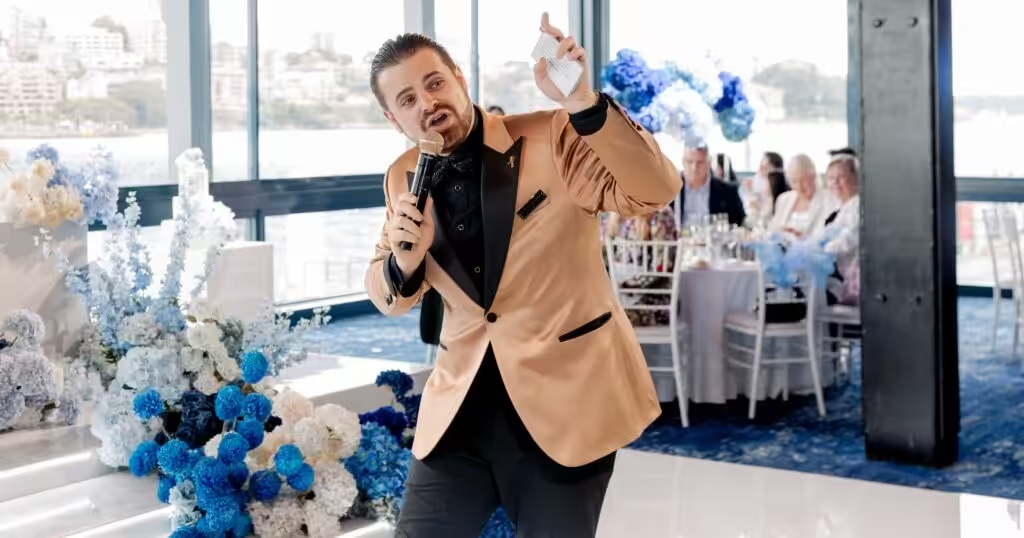

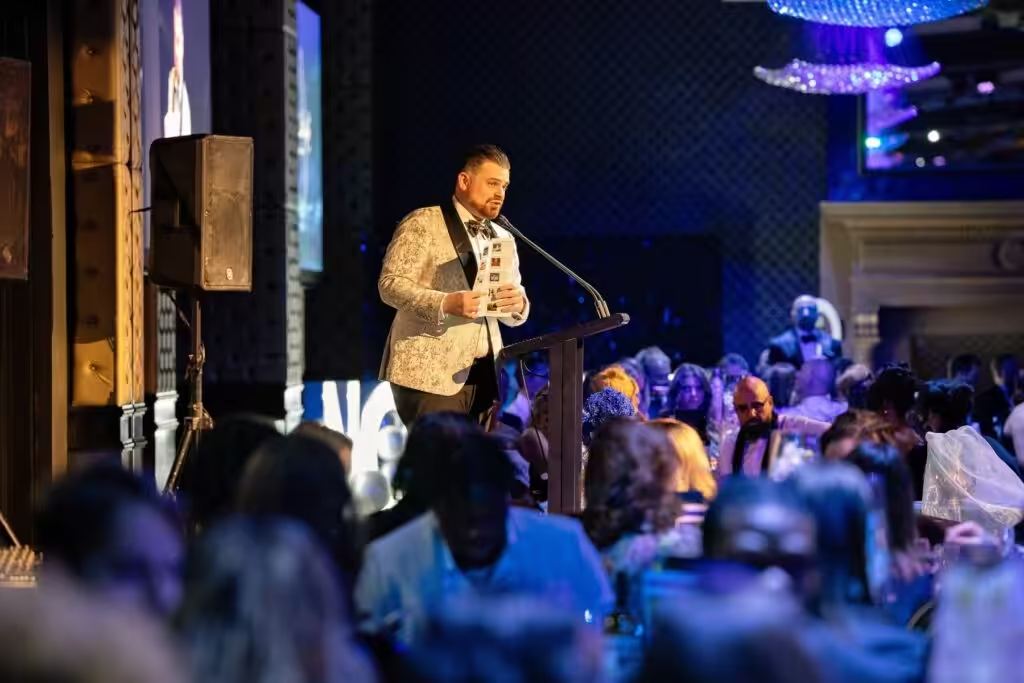


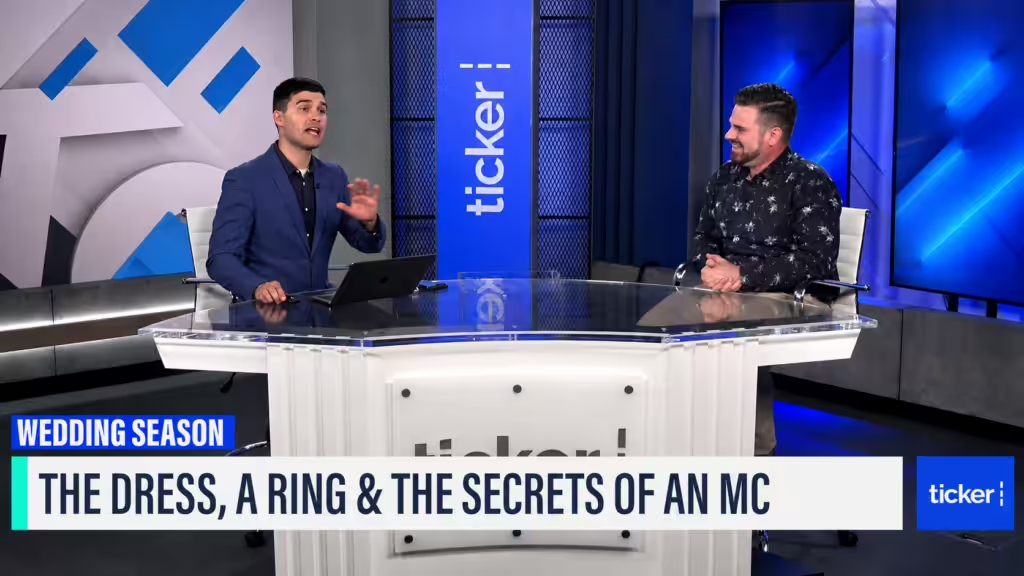


Having a strong MC, a clear run sheet, and some light background music helps keep transitions smooth and avoids downtime.
Wedding receptions often include formalities such as speeches, the cutting of the cake, the couple’s first dance, and a bouquet toss. These traditions help structure the night and ensure key moments are celebrated.
The MC should keep their announcements short and to the point. Typically, each time they speak, it should last no more than 2-3 minutes, unless they’re delivering a formal introduction or setting up a key moment.
Speeches are usually placed after entrees or mains, allowing guests to relax before dessert. This timing keeps the event flowing and ensures the room is settled before important messages are shared.
A run sheet helps keep the event on track, especially when multiple vendors are involved. Even simple weddings benefit from a basic timeline to guide the key moments and keep everyone in sync.
Choose something upbeat and personal to the couple. The entrance song sets the tone for the celebration, so it should reflect their style and energy.
Yes, many couples choose to skip or replace it with another activity. Modern weddings often adapt traditions to suit the couple’s preferences.
The MC typically introduces the bridal party one pair or individual at a time, building up to the couple. Fun facts, short stories, or energetic music can help make it more engaging.
Yes, speeches can be staggered between courses, which keeps the room engaged and avoids long speech blocks. This approach suits weddings with lots of speakers.
A thank you speech, farewell circle, or last group dance are all popular options. These moments help guests feel included and end the night on a high.